Posts

Euphoria

Chemically dependent people don’t crave a particular drug; they crave the euphoria that the drug produces. They are addicted to the   feeling   of intoxication, not to the drug itself. This means you can easily become addicted to any mood-altering chemical that gives you the high you seek. You may think, “I’m going to quit using cocaine. I’ll just have a few drinks instead.” This is dangerous thinking. If you try to get high by using a different mood-altering chemical, you will only end up in relapse. Eventually, you’ll go back to using the original substance of choice because your brain craves the high. To recover, you must stop using  all mood-altering chemicals. A ction for the Day Describe the mood-altering chemicals you have felt tempted to use. Maybe you’ve thought about replacing hard liquor with beer, or taking prescription medications instead of heroin. It’s natural to want to replace the high that you are used to. Make sure you are open and honest as you talk wi...
Addiction Downward Spiral

Image
Addiction Downward Spiral -Occasional relief drinking -Constant relief drinking commences -Increase in alcohol tolerance -Onset of memory blackouts -Surreptitious drinking -Increasing dependence on alcohol -Urgency of first drinks -Feelings of guilt -Unable to discuss problem -Memory blackouts increase -Drinking bolstered with excuses -Decrease of ability to stop drinking when others do so -Grandiose and aggressive behavior -Persistent remorse -Efforts to control fail repeatedly -Promises and resolutions fail -Tries geographical escapes -Loss of other interests -Family and friends avoided -Work and money troubles -Unreasonable resentments -Neglect of food -Loss of ordinary willpower -Tremors and early morning drinks -Decrease in alcohol tolerance -Physical deterioration -Onset of lengthy intoxications -Moral deterioration -Impaired thinking -Drinking with inferiors -Indefinable fears -Unable to initiate action -Obsession with drinking -Vague spiritual desires -All alibis exhausted -Com...

Meditating

Image
I find it helpful especially if you're a beginner- to start by visualizing and environments of happiness and love.for example I think of myself at a spa getting a massage. As though lying on a sunlit beach, let us relax and breathe deeply of the spiritual atmosphere....   1. Relax the body : ~Sit quietly and comfortably, letting the body arrive here in this place.  ~Close your eyes, deeply relax all of your muscles from your feet up to your face. ~Let all body sensations come and let them go. Feel your natural body embody you.   2. Relax the breath: ~Take three deep breaths, then let the breath be here. ~You may breathe through your nose. As you inhale, feel the cool of the air on your nostrils. Sense the sharpness in the back of your throat. As you exhale, note the softness as you follow the breath all the way out. You may repeat a word or phrase or prayer silently on each out-breath.    For example some repeat, “Ah well…. Ah well…. Ah well….”   3. Relax t...

NARCOTICS ANONYMOUS

Image
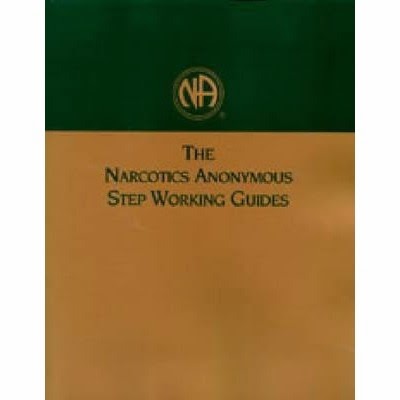
STEP ONE: "We admitted we were powerless over our addiction, that our lives had become unmanageable." A "first" of anything is a beginning, and so it is with the steps: The First Step is the beginning of the recovery process. The healing starts here; we can't go any further until we've worked this step. Some NA members "feel" their way through the First Step1 by intuition; others choose to work Step One in a more systematic fashion. Our reasons for formally working Step One will vary from member to member. It may be that we're new to recovery, and we've just fought-and lost-an exhausting battle with drugs. It may be that we've been around awhile, abstinent from drugs, but we've discovered that our disease has become active in some other area of our lives, forcing us to face our powerlessness and the unmanageability of our lives once again. Not every act of growth is motivated by ...

High risk situations

Research has shown that immediate factors, such as putting yourself in high-risk situations, lacking coping skills, and “stinking thinking” (thinking you are powerful enough to control your use) can lead to a relapse. Other factors may include lifestyle habits, urges, and cravings. The truth is that you are especially susceptible to relapse during early recovery. Your stress levels are high as you go through intense emotional and physical changes. You have not had time to develop reliable coping skills for dealing with the emotional roller coaster of life, causing you to be easily overwhelmed. And your brain is still clouded by years of intoxication. In addition, it’s easy to become complacent. You start to feel good about your abstinence from alcohol and other drugs. You may minimize the severity of your addiction and the effort needed to stay in recovery. Then you gradually forget that addiction is an illness that is hardwired into your brain. You start to believe that just because y...

Surrendered to feelings

Dealing with Painful Feelings Feelings of hurt or anger can be some of the most difficult to face. We can feel so vulnerable, frightened, and powerless when these feelings appear. And these feelings may trigger memories of other, similar times when we felt powerless. Sometimes, to gain a sense of control, we may punish the people around us, whether they are people we blame for these feelings or innocent bystanders. We may try to “get even,” or we may manipulate behind people’s backs to gain a sense of power over the situation. These actions may give us a temporary feeling of satisfaction, but they only postpone facing our pain. Feeling hurt does not have to be so frightening. We do not have to work so hard to avoid it. While hurt feelings aren’t as much fun as feeling happy, they are, still, just feelings. We can surrender to them, feel them, and go on. That does not mean we have to seek out hurt feelings or dwell unnecessarily on them. Emotional pain does not have to devastate us. We ...

12 questions

The Twelve Questions   Has drinking alcohol or using drugs stopped being fun? Do you ever use alone or need to use before other events? Is it hard for you to imagine a life without drugs or alcohol? Do you find that your friends are determined by your drinking or using?  Do you drink, use to avoid dealing with your problems or emotions? Do you smoke pot to cope with your feelings? Does drinking let you live in your own world? Have you ever failed to keep promises you made about cutting down or controlling your using? Has drinking or using caused problems with memory, concentration, or motivation? When your almost out of your drug of choice (ex.alcohol) do you feel anxious or worried about how to get more? Or getting money for more? Do you plan your life and activities around drinking? Have friends or relatives ever complained that your drinking is damaging your relationship with them?  If you answered yes to any of the above questions, you may have a problem with marijuan...